
This was one of the most consequential weeks in financial markets in 2026. Four of the world’s largest technology companies reported earnings within 5 minutes of each other on Wednesday evening. The Federal Reserve held rates on what seems to be Jerome Powell final press conference as Fed Chair. Oil prices continued to hover near $120 a barrel as the Iran war kept energy markets on edge. For investors, this week was a masterclass in how earnings, monetary policy, and geopolitics intersect and how they must be prepared to face these events.
The Big Tech Earnings
Four of the biggest companies in the US, Alphabet, Amazon, Meta, and Microsoft reported earnings after the bell on Wednesday, with all four results arriving within the span of just 5 minutes. The results were collectively extraordinary but with meaningful differences in quality that investors should understand.
Alphabet
Google delivered the strongest results of the four. Alphabet’s net income for Q1 2026 came in at $62.57 billion, or $5.11 per share up 81% compared to the year prior. Revenue grew 20% from last year, marking its highest rate of growth for any quarter since 2022, beating Wall Street expectations and boosted by its surging cloud business. Alphabet also announced a dividend increase, a quarterly cash dividend of $0.22 per share, representing a 5% increase from the previous quarterly dividend of $0.21 per share. Shares surged following the report.
Amazon
Amazon reported net sales of $181.5 billion in Q1 2026, an increase of 17% compared with $155.7 billion in Q1 2025. The headline number that impressed most was AWS. Amazon Web Services segment sales increased 28% year-over-year to $37.6 billion, with AWS operating income rising to $14.2 billion. Net income increased to $30.3 billion, or $2.78 per diluted share, though this figure includes pre-tax gains of $16.8 billion from Amazon’s investments in Anthropic.
Amazon shares had a mixed reaction to the report signaling caution among investors despite the strong revenue beat. The market is clearly more focused on Amazon projected current-quarter operating income, expected to be slightly lower than previously anticipated.
Meta
Mark Zuckerbergs Meta reported revenue of $56.31 billion versus $55.45 billion estimated, with revenue climbing 33% from $42.3 billion a year earlier, the fastest quarter for growth since 2021. Earnings per share came in at $7.31 adjusted versus $6.79 estimated.
However the story underneath the headline numbers is more complex. Meta said capital expenditures for the year will be between $125 billion and $145 billion, up from a prior range of $115 billion to $135 billion. The company is simultaneously ramping AI spending aggressively while cutting its workforce. Meta said it is laying off about 10% of its workforce, or 8,000 employees, while no longer hiring for 6,000 open roles. Meta also attributed a quarter-over-quarter drop in users in part to “internet disruptions in Iran.”
Mark Zuckerberg declared this a “milestone quarter,” stating the company is “on track to deliver personal superintelligence to billions of people”. However, the unexpected increase in CAPEX has not been well welcomed by META investors as the stock has fallen 9.25% after reporting earnings.
Microsoft
Microsoft beat on both revenue and earnings posting $82.9 billion in revenue and EPS of $4.27 against expectations of $4.04. Microsoft reported Azure growing 40% and AI revenue surpassing a $37 billion annual run rate. Yet the stock initially climbed before turning lower in premarket trading, down around 1% as investors digested the report. The concern is not the results themselves but again, for full-year 2026 capital expenditure of $190 billion, up 61% from 2025, driven by soaring memory costs and AI infrastructure demands.
The Fed Decision
The FOMC voted to hold the benchmark funds rate in a range between 3.5% and 3.75%, the third consecutive rate pause in 2026. This decision was highly anticipated by the markets by looking at FEDs tool FEDWatch.
Powell said at his press conference that inflation has risen recently due in part to the “significant rise in global oil prices that has resulted from the conflict in the Middle East.” This means that FED will be closely monitoring PCE inflation data for future FOMC meetings.
Powell’s Final Press Conference
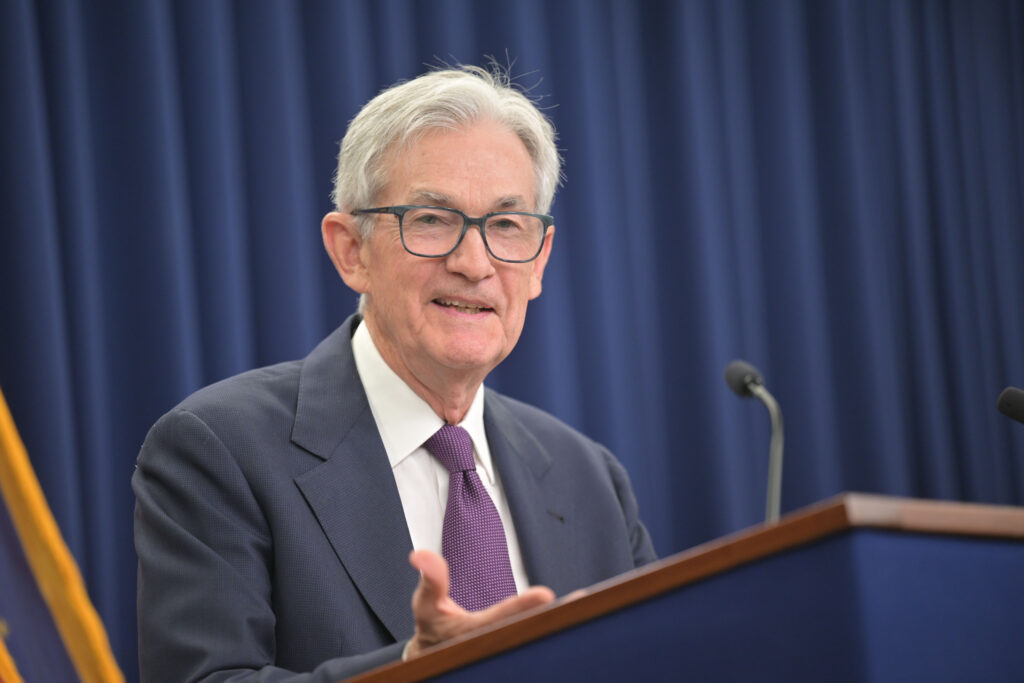
Powell signaled that he would remain on the Board of Governors for an indefinite period, saying he is waiting until an investigation into the Federal Reserve’s renovations “is well and truly over with transparency and finality.” By remaining as a governor rather than departing entirely, Powell can continue to influence Fed policy and prevents President Trump from appointing an additional board member immediately.
Earlier in the day, the Senate Banking Committee in a party-line vote advanced Trump’s nomination of Kevin Warsh as the next Fed chair. Warsh is widely expected to be confirmed in time for the June FOMC meeting, representing the Fed’s first leadership change since Powell took over in 2018.
The transition to Warsh is one of the most important macro stories to monitor for the rest of 2026. Markets will be watching closely for any shift in policy communication, independence signaling, and the Fed’s approach to the inflation-growth trade-off under new leadership.
Oil. Still the Dominant Geopolitical Variable
Oil prices surged this week with Brent crude reaching as high as $123.70 a barrel, the highest since March 31, as traders assessed the latest proposals to reopen the vital Strait of Hormuz, through which 20% of the world’s crude oil flowed before operation Epic Fury was launched.
The average price for a gallon of regular gas in the US hit $4.176 this week, the highest since August 2022. The Iran conflict continues to be the single largest wildcard for both inflation and economic growth globally. Any ceasefire developments or Strait of Hormuz reopening would be immediately deflationary, potentially giving the Fed the cover it needs to resume cutting rates. However, the latest news coming from Iran suggest that ceasefire is not something likely to happen on the next days as the US blockade persists on the Strait of Hormuz.
What to Watch Next Week
- Kevin Warsh confirmation vote: the full Senate is expected to confirm Warsh, setting up his first FOMC meeting in June
- Apple earnings: the last of the major tech hyperscalers to report and the first earnings after Tim Cook resingment announcement
- PCE inflation data: the Fed’s preferred inflation gauge will either confirm or challenge the higher-for-longer narrative
- Iran ceasefire talks: any breakthrough would immediately move oil prices and broaden risk sentiment
- Powell’s next steps: markets will watch for any clarity on when exactly Powell departs the Board of Governors